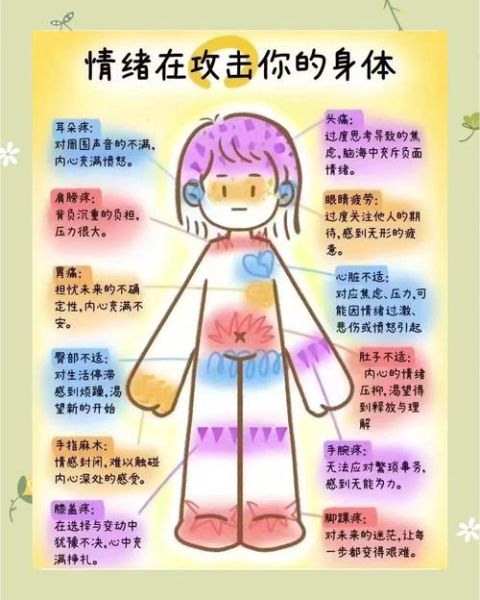

Because English often relies on **context, tone, and cultural nuance** rather than vocabulary alone.
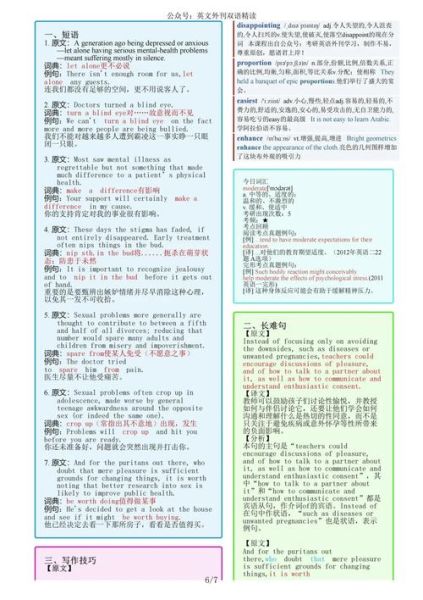
When I first moved from Seoul to Manchester, I thought a bigger lexicon would solve every emotional puzzle. I memorised “melancholy,” “elated,” “crestfallen,” and still felt like a tourist in my own conversations. The problem wasn’t scarcity; it was **expecting single adjectives to carry the weight of an entire lived moment**.
They rarely say, “I feel anxious.” Instead, they leak emotion through **prosody, hedging, and micro-narratives**. Listen for:
When someone says, “Work’s been brutal lately,” resist the reflex to offer advice. Echo the last emotional word with a slight rise: “Brutal?” The speaker will often expand, giving you the **colour and texture** you need to respond authentically.
Metaphors rooted in **universal bodily experience** cross borders without a visa.
Swap “I am frustrated” for:

Instead of “very tired,” try “I’m **running on fumes**.”
Replace the social shield with a **calibrated reveal**: “Not my best day, but I’m **above water**.”
“I’m devastated” can sound final. Soften with **time-stamping**: “I was devastated **for about three hours**, then the fog lifted.”
Set a timer. Write what you see, hear, *** ell, taste, and touch. Circle any sensory detail that **carries an emotional charge**. Turn that detail into a sentence: “The burnt toast *** elled like Monday.”
Pick a song in your native language. Translate the chorus **not word-for-word**, but **emotion-for-emotion**. Ask: which English images preserve the original heartbeat?
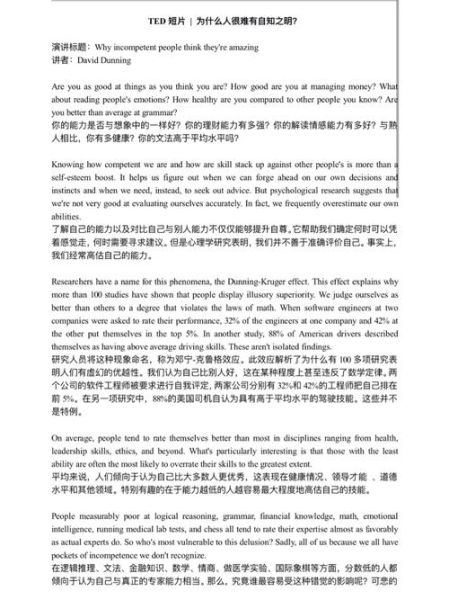
Speak to your reflection for two minutes about a minor annoyance. Record yourself. Notice where your voice **cracks, speeds up, or drops**. Transcribe those moments; they are **raw emotional data**.
Sometimes the most English thing you can do is **leave space**. After delivering hard news, a simple “Yeah…” trailing into quiet can feel more respectful than any polished phrase. I learnt this while consoling a friend who’d lost her dog; my words felt clumsy, but the shared silence **held the grief better**.
Before I post anything vulnerable online, I read it aloud while holding my breath. If I can finish the sentence without gasping, the emotion is still **too diluted**. Revision starts there—where the body protests.
Expressing emotion in English is less about finding the perfect word and more about **orchestrating tiny signals**—a pause, a metaphor, a half- *** ile—that let another human feel the pulse beneath your syllables. Master that, and even the plainest vocabulary becomes electric.
发表评论
暂时没有评论,来抢沙发吧~